
Service — SEO & AI Search
SEO & AI Search Visibility
Rankings come from how a site is built, not from a plugin installed afterward. I handle technical SEO, on-page structure, schema, and AI search visibility as part of development — one person, accountable for the whole layer.
- Technical SEO
- AEO
- GEO
01 The short version
Most SEO problems are development problems. Slow templates, broken heading structures, orphaned pages, missing schema, redirect chains — these get built into a site, and no amount of content marketing fixes them afterward. I work on SEO from the position of the person who writes the code, which means I fix causes instead of reporting symptoms.
This service covers the full technical and on-page layer: site architecture, crawlability, Core Web Vitals, keyword strategy, metadata, internal linking, and schema markup. It also covers the newer layer — AEO, GEO, and AI Overviews — where structured, entity-consistent content determines whether AI search systems cite your site as a source.
One thing I will not do is guarantee rankings. Nobody controls Google's results, and anyone promising a position is selling something else. What I control is whether your site gives search engines and AI systems every technical reason to trust it — and that part I do thoroughly.
02 How it works
What goes into it.
5 chapters
- 01
Technical SEO: fix the causes, not the symptoms
Technical SEO determines whether search engines can crawl, render, and index your site efficiently. Most of it lives in code and server configuration, which is why audits from non-developers often end as PDF reports nobody implements. When I find an issue, I fix it in the same pass.
I crawl the site with Screaming Frog, cross-check against Google Search Console, and work through indexation, redirects, canonicals, duplicate content, and architecture. Because I administer VPS servers, the fixes extend below the CMS: server response times, caching, compression, SSL configuration, and clean redirect handling at the server level.
- Crawlability and indexation: robots.txt, XML sitemaps, noindex conflicts, orphaned pages
- Site architecture: logical hierarchy, shallow crawl depth, sensible URL structure
- Core Web Vitals: LCP, INP, and CLS fixed in the code, not masked with plugins
- Redirects and canonicals: chains removed, duplicate content consolidated
- Server layer: response times, HTTPS/SSL, caching headers, compression
- 02
Keyword strategy and on-page structure
Keyword research is about intent, not volume. I use SEMrush, Ahrefs, Moz, and Ubersuggest to find the queries your buyers actually type, then map one primary intent to each page. A page that tries to rank for everything ranks for nothing.
On-page work follows the map: titles and meta descriptions written for relevance and click-through, one clear H1 per page, heading hierarchies that mirror the content's logic, and alt text that describes instead of stuffing. Internal linking gets particular attention — it is how authority flows through a site and how search engines learn which pages matter most.
- 03
Schema markup and entity clarity
Schema markup is structured data that tells search engines exactly what a page is: an organization, a service, a product, an article, an FAQ. I write it in JSON-LD, match it to what is visibly on the page, and validate it before it ships. Mismatched or exaggerated markup does more harm than none.
Entities matter as much as keywords now. Your business name, services, location, and authorship should be identical everywhere they appear — on the site, in the schema, and across external profiles. Consistent entity data is what lets Google and AI systems connect your pages to a single, trustworthy source.
- 04
AEO, GEO, and AI Overviews: the new search layer
A growing share of searches now ends in an AI-generated answer — Google's AI Overviews, ChatGPT, Perplexity — instead of a list of links. These systems synthesize responses from sources they can parse and verify, then cite them. Being citable is the new version of ranking, and it is earned through structure, not tricks.
AEO (answer engine optimization) and GEO (generative engine optimization) are the practices behind that. I adopted them early in client work, and they are part of every SEO engagement I take on, not an add-on.
The good news: AEO builds on classic SEO rather than replacing it. A site that is fast, well-structured, schema-rich, and entity-consistent is already most of the way there. What changes is the writing — direct, factual, and organized so a machine can lift an answer without misquoting you.
- Direct answers in the first sentence of each section, elaboration after
- Headings phrased as the questions people actually ask
- Facts stated once and kept consistent everywhere they appear
- FAQ and article schema where it genuinely applies to the content
- Clean, semantic HTML that machines can parse without guessing
- 05
Measurement without theater
Every engagement runs on Google Search Console and GA4, configured properly rather than left on defaults. I monitor indexation coverage, query impressions and positions, Core Web Vitals, and the conversions that matter to your business. You see the same data I see.
What I will not do is guarantee rankings or dress up vanity metrics. If something is working, the data will show it; if it is not, I will say so and adjust. That is the standard you should hold anyone doing SEO to — developer or agency.
03 Deliverables
What you get.
9things you own at the end
- 01Full technical SEO audit with prioritized, implemented fixes
- 02Keyword research and a page-by-page keyword map (SEMrush, Ahrefs, Moz, Ubersuggest)
- 03On-page optimization: titles, metadata, headings, alt text, internal linking
- 04JSON-LD schema markup written, validated, and matched to page content
- 05Core Web Vitals fixes applied at the code and server level
- 06AEO/GEO content structuring for AI Overviews and answer engines
- 07Google Search Console and GA4 setup with clean, honest reporting
- 08Server-level fixes: redirects, SSL/TLS, caching, compression, security headers
- 09Local SEO structure for businesses serving a defined area
04 Questions
Asked before every build.
Something else on your mind? Ask me on WhatsApp.
01Can you guarantee first-page Google rankings?
No, and you should not hire anyone who does. Google's results shift constantly and no outside party controls them. What I commit to is the work itself: a technically clean site, keyword-mapped pages, valid schema, and progress you can verify in Search Console — the inputs rankings depend on.
02What is AI search optimization (AEO/GEO)?
AEO (answer engine optimization) and GEO (generative engine optimization) prepare your content to be cited by AI systems like ChatGPT, Perplexity, and Google's AI Overviews. These tools build answers from sources they can parse and trust, so the work involves direct-answer content structure, schema markup, and consistent entity information. It extends classic SEO rather than replacing it.
03How is this different from hiring an SEO agency?
The difference is that I implement the fixes myself, in the code. An agency audit typically produces a report your developer then has to interpret and execute, with details lost in the handoff. Because I am the developer, recommendations become commits — redirects, schema, template changes, server configuration — usually in the same working session they are found.
04How long does SEO take to show results?
Expect months, not weeks, and be suspicious of anyone quoting a precise timeline. Technical fixes take effect once search engines recrawl the affected pages, while content and authority signals build more slowly. I set up Search Console and GA4 from the start so you can watch progress in the data rather than in a sales narrative.
05Do you only optimize sites you built?
No — auditing and fixing sites built by others is a large part of this work. I crawl the site with Screaming Frog, review Search Console, and repair what turns up, whether the site runs on WordPress or a custom stack. If the foundation is beyond economical repair, I will tell you directly, and a redesign may be the better path.
+ Related services
SEO-Friendly Development
SEO friendly websites engineered from the first line of code — architecture, semantic HTML, schema and Core Web Vitals built in, never bolted on.
Website Performance
Core Web Vitals, speed and asset optimization, caching and server-level tuning — because fast websites win.
AEO & GEO
Answer engine and generative engine optimization — the structure, schema and entity work that lets ChatGPT, Google AI Overviews and Perplexity cite your business.
SEO Services Pakistan
Technical SEO, on-page SEO, local SEO and AI search visibility for businesses in Lahore and across Pakistan — done by the developer, not a reseller.
+ Guides on this
- Guide
What Makes a Website SEO-Friendly?
SEO-friendly is not a plugin you install after launch. It is a set of construction decisions — architecture, markup, schema, performance — made while the site is being built.
- Guide
How to Get Your Business Recommended by ChatGPT and AI Search
More buyers now ask an AI assistant who to hire instead of scrolling search results. You cannot buy your way into those answers — but you can remove every reason an assistant has to leave you out.
- Guide
Website Speed and SEO: Why Core Web Vitals Matter
LCP, INP, and CLS in plain language — what Google actually measures, why slow WordPress sites lose rankings and orders, and what fixing them involves.
+ Projects that used it
- Case study · AI Tools · Content Platform
AI Tool Camp
Large-scale content and SEO architecture for an AI tools review platform — keyword strategy, on-page SEO and content structuring for organic visibility.
- Case study · Restaurant · United Kingdom
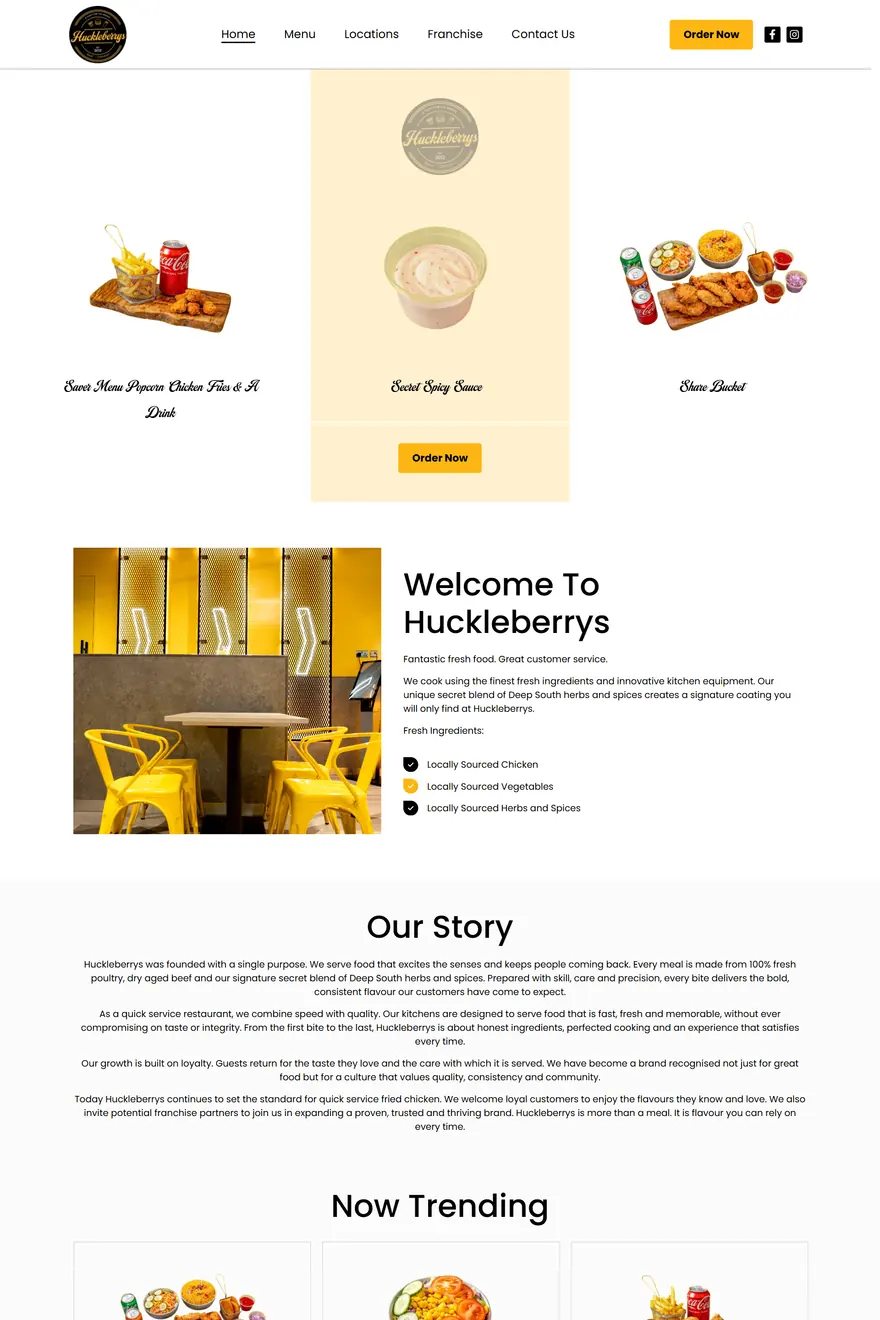
Huckleberry's Restaurant
A UK restaurant website with local SEO built in — structured data, Google Business Profile alignment and search visibility for a physical business.
- Case study · Financial Services
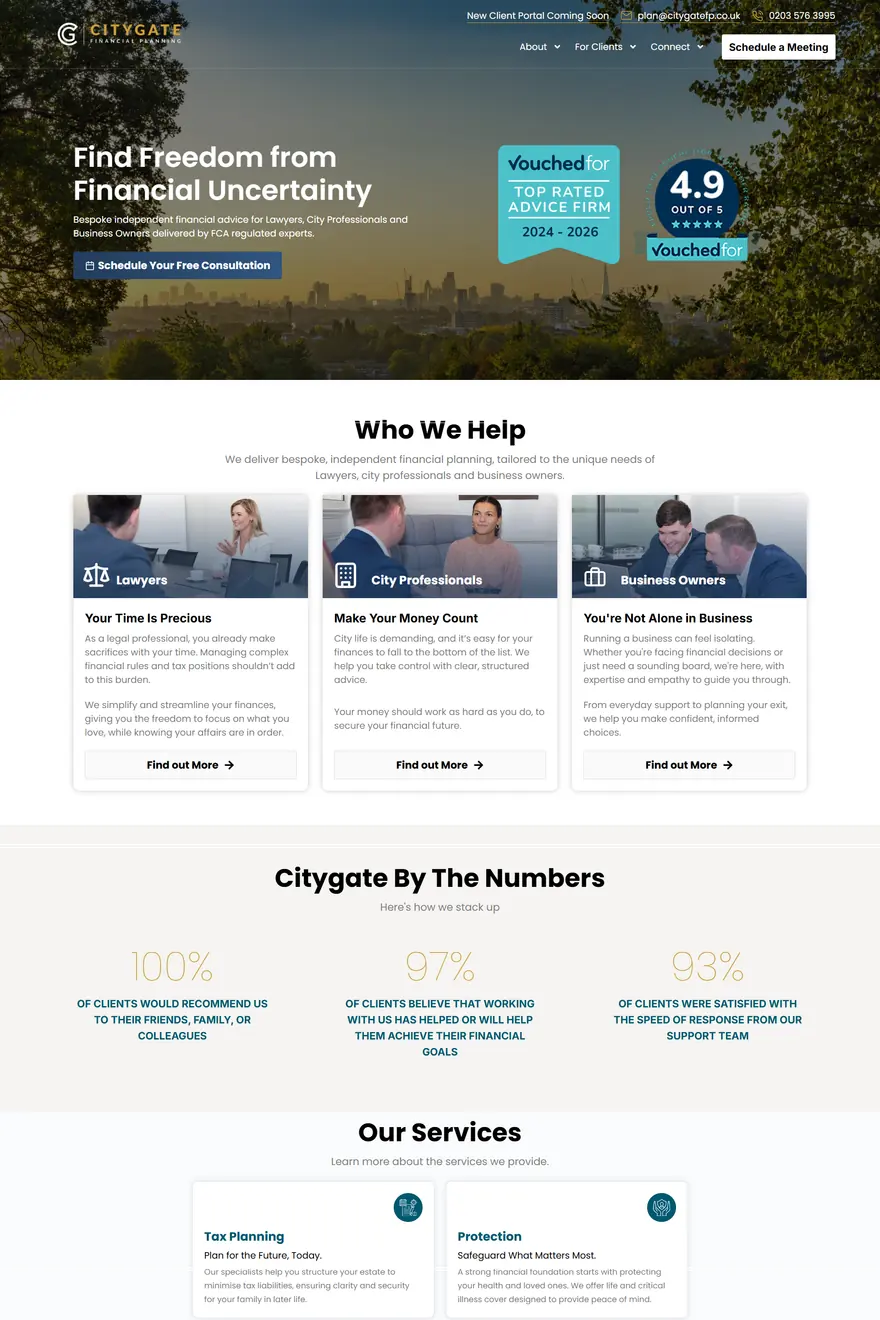
Rose Wealth
Financial services website development with SEO optimization — clean structure, fast pages and search-ready content.
05 Next step
Let's talk SEO & AI Search.
Tell me about the business. You’ll get an honest plan, a fixed quote and a timeline.